
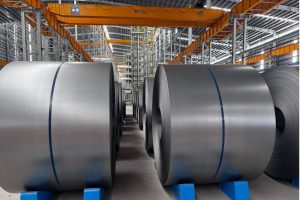
Advantages of Pickled and Oiled Steel Coil – HRPO







Advantages of Pickled and Oiled Steel Coil – HRPO
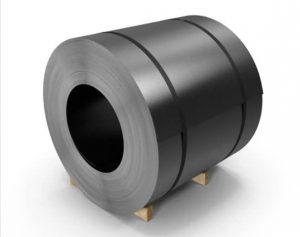
Pickled and Oiled Steel Coil (HRPO) is a hot-rolled steel product that has undergone a pickling process to remove surface scale and is then coated with a protective layer of oil. This process gives HRPO steel coil a cleaner surface, improved corrosion protection during storage and transportation, and better suitability for downstream manufacturing applications.
For manufacturers, fabricators, and international steel buyers, understanding the advantages of Pickled and Oiled Steel Coil is important when selecting the right material for automotive parts, machinery, construction components, and general fabrication.
What Is Pickled and Oiled Steel Coil?
Pickled and Oiled Steel Coil, commonly known as HRPO, is produced from hot-rolled steel coil.
During conventional hot rolling, a layer of iron oxide scale forms on the surface of the steel. This scale can affect surface quality and subsequent processing.
To improve the surface condition, HRPO steel undergoes two main processes:
- Pickling – Acid treatment removes mill scale and surface oxides.
- Oiling – A thin layer of oil is applied to help protect the cleaned steel surface from corrosion during handling, storage, and transportation.
As a result, Hot Rolled Pickled and Oiled Steel Coil provides a cleaner and more uniform surface than untreated hot-rolled steel.
Key Advantages of Pickled and Oiled Steel Coil
1. Clean and Uniform Surface
One of the major advantages of HRPO steel coil is its cleaner surface.
The pickling process removes iron oxide scale generated during hot rolling. This produces a more uniform steel surface that is suitable for further manufacturing processes.
A cleaner surface can be particularly beneficial for:
- Welding
- Forming
- Bending
- Stamping
- Painting
- Fabrication
- Surface coating
For manufacturers requiring better surface preparation, HRPO can offer advantages over conventional hot-rolled steel.
2. Improved Surface Quality
Pickling removes scale and surface oxides from hot-rolled steel. This can help provide a more consistent surface condition across the coil.
For applications where appearance, coating, welding, or subsequent processing is important, Pickled and Oiled Steel Coil can be a practical material choice.
However, HRPO should not automatically be considered equivalent to cold-rolled steel. The appropriate grade and surface requirements should be selected according to the final application.
3. Better Protection During Storage and Transportation
After pickling, the exposed steel surface can be vulnerable to oxidation if left unprotected.
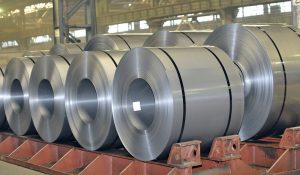
The oiling process provides temporary protection against atmospheric moisture and helps reduce the risk of rust formation during normal storage and transportation.
This is especially useful for international steel shipments, where coils may spend considerable time in warehouses, ports, containers, and transportation networks.
4. Suitable for Further Fabrication
HRPO steel is widely used for applications involving fabrication and forming.
Depending on the selected steel grade and mechanical properties, it can be processed through:
- Cutting
- Bending
- Roll forming
- Stamping
- Welding
- Machining
- Fabrication
This makes HRPO steel coil suitable for a wide range of industrial applications.
5. Good Welding Performance
The removal of surface scale can be beneficial for welding operations.
Compared with untreated hot-rolled material containing mill scale, the cleaner surface of pickled steel can help provide more consistent conditions for welding and fabrication.
Actual welding performance, however, depends on factors such as:
- Steel grade
- Chemical composition
- Thickness
- Welding method
- Welding parameters
- Surface condition
Therefore, buyers should select HRPO grades according to their specific welding requirements.
6. Cost-Effective Alternative for Many Applications
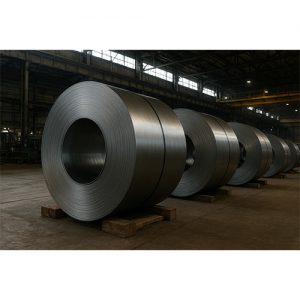
Another important advantage of Pickled and Oiled Steel Coil is its balance between surface quality and cost.
For applications that require a cleaner surface than standard hot-rolled steel but do not require the dimensional tolerances and surface characteristics of cold-rolled steel, HRPO can be an economical option.
This makes HRPO attractive for manufacturers looking to optimize material costs while maintaining suitable processing performance.
HRPO vs. Hot Rolled Steel
The main difference between conventional hot-rolled steel and HRPO is the surface treatment.
| Feature | Hot Rolled Steel | Pickled & Oiled Steel |
|---|---|---|
| Manufacturing process | Hot rolled | Hot rolled + pickled + oiled |
| Mill scale | Present | Removed |
| Surface | Rougher | Cleaner |
| Temporary corrosion protection | Limited | Improved through oiling |
| Further fabrication | Suitable | Suitable |
| Surface preparation | Usually required | Reduced for many applications |
| Typical applications | General fabrication | Automotive, machinery, fabrication, structural components |
The right choice depends on the customer’s required surface quality, processing requirements, specifications, and budget.
Applications of Pickled and Oiled Steel Coil
HRPO steel coil is used across various industries because of its combination of strength, clean surface, and fabrication performance.
Common applications include:
Automotive Components
HRPO can be used in selected automotive components and structural parts where the required grade and surface specifications are suitable.
Machinery Manufacturing
Manufacturers of industrial equipment and machinery use pickled and oiled steel for fabricated components, brackets, frames, and other parts.
Construction
HRPO can be used for construction-related fabricated products, structural components, brackets, supports, and other applications.
Metal Fabrication
Fabricators often select HRPO because its cleaned surface is suitable for cutting, forming, welding, and other manufacturing processes.
Industrial Equipment
The material can also be used in equipment components, agricultural machinery, storage systems, and various industrial products.
Why Choose HRPO Instead of Standard Hot Rolled Steel?
The decision between standard hot-rolled steel and Pickled and Oiled Steel Coil depends largely on surface requirements.
If the application requires the mill scale to be removed, HRPO provides a ready-to-process surface with temporary oil protection.
Key advantages include:
- Cleaner surface
- Reduced mill scale
- Better surface consistency
- Temporary corrosion protection
- Suitable for welding and fabrication
- Good formability for appropriate grades
- Efficient downstream processing
- Competitive material cost
For buyers who need a cleaner hot-rolled product without moving directly to cold-rolled steel, HRPO can be a practical solution.
How to Choose a Reliable HRPO Steel Supplier
When sourcing Pickled and Oiled Steel Coil, buyers should evaluate more than price.
Important factors include:
Steel Grade
Confirm that the supplier can provide the required grade according to standards such as ASTM, JIS, EN, or other applicable specifications.
Thickness and Width
Make sure the supplier can meet your required thickness, width, tolerance, and coil dimensions.
Mechanical Properties
Check:
- Yield strength
- Tensile strength
- Elongation
- Chemical composition
These properties should match the intended manufacturing process.
Surface Quality
Discuss acceptable surface conditions, oiling requirements, edge conditions, and inspection standards before placing an order.
Packaging
For international shipments, proper coil packaging is essential to reduce the risk of damage and moisture exposure during transportation.
Export Experience
An experienced HRPO steel manufacturer and exporter should be able to provide appropriate documentation, certificates, inspection support, and export packaging.
Pickled and Oiled Steel Coil for Global Buyers
For international buyers, HRPO offers an attractive combination of surface quality, processing performance, temporary corrosion protection, and cost efficiency.
Vietnam has become an increasingly important sourcing market for steel products, including hot-rolled and value-added steel products. Buyers should compare suppliers based on production capabilities, quality control, certifications, specifications, lead time, packaging, and export experience rather than price alone.
When purchasing Vietnam Pickled and Oiled Steel Coil, it is recommended to clearly specify:
- Grade
- Thickness
- Width
- Coil weight
- Inner diameter
- Oil type and oiling requirement
- Surface requirements
- Applicable standard
- Packaging requirements
- Quantity
- Delivery terms
Clear specifications help both buyers and suppliers avoid misunderstandings during production and shipment.
We are looking for importers, distributors, steel service centers and manufacturers worldwide.
📩 Contact us for Steel specifications, quotation and mill availability.
HENRY DO | International Sales Representative
Mobile +84 973 765 730(Whatsapp, Viber, Line, Wechat)