
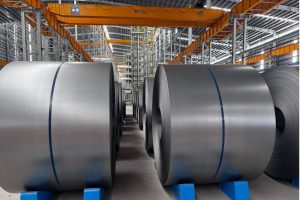
Bulk Steel Coil Supplier in Vietnam | Export Quality Products







Vietnam has become an increasingly important manufacturing and export hub in Southeast Asia, supplying a wide range of industrial materials to international markets. Among these products, steel coils are widely used in construction, automotive manufacturing, machinery, roofing, appliances, and metal fabrication.
For international buyers looking for a steel coil supplier in Vietnam, understanding product specifications, quality requirements, and the export process is essential. This guide explains the key factors buyers should consider when sourcing steel coils from Vietnam.
What Is a Steel Coil?
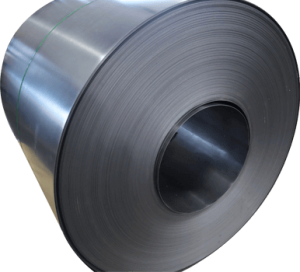
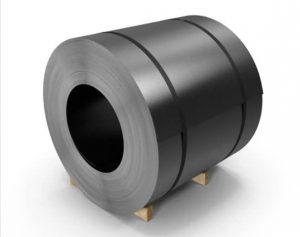
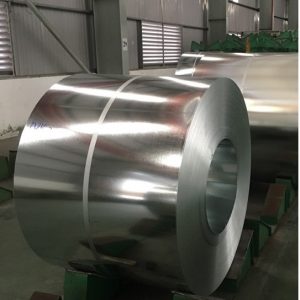
Steel coil is a flat steel product that has been rolled into a continuous coil for easier transportation, storage, and further processing. Depending on the production method and surface treatment, steel coils can be classified into several major categories.
Common types include:
- Hot Rolled Steel Coil
- Cold Rolled Steel Coil
- Galvanized Steel Coil
- Galvalume Steel Coil
- Prepainted Steel Coil
- Carbon Steel Coil
- Stainless Steel Coil
Each type has different characteristics and applications. Choosing the appropriate steel coil depends on the buyer’s intended use, required mechanical properties, dimensions, surface finish, and applicable standards.
Why Source Steel Coils from Vietnam?
Vietnam has developed a strong steel manufacturing and processing industry supported by growing domestic demand, modern production facilities, and access to international shipping routes.
Working with a Vietnam steel coil supplier can provide international buyers with access to various steel products and flexible sourcing options.
Key considerations when sourcing from Vietnam include:
1. Competitive Manufacturing
Vietnam has a growing industrial base and a large manufacturing workforce. This supports competitive production and processing costs for various steel products.
2. Export Infrastructure
Vietnam has several major seaports serving international trade. This allows steel products to be shipped to markets across Asia, Europe, the Middle East, Africa, and other regions.
3. Product Variety
Buyers can source different types, grades, thicknesses, widths, and surface finishes depending on their application.
4. Flexible Order Requirements
Depending on the supplier and production capacity, buyers may discuss customized specifications, packaging, quantities, and delivery schedules.
Steel Coil Specifications
Before placing an order with a steel coil supplier Vietnam, buyers should clearly define the required specifications.
Important specifications generally include:
Steel Grade
Steel grade determines the material’s mechanical and chemical properties. Different applications require different grades.
For example, structural applications may require specific carbon steel grades, while automotive or appliance manufacturers may require steel with particular forming characteristics.
Thickness
Steel coil thickness can vary depending on the product type and application.
The required thickness should be specified accurately because it directly affects weight, strength, processing, and final product performance.
Width
Coil width is another important specification. Buyers should provide the required width based on their downstream processing equipment or finished-product dimensions.
Coil Weight
Coil weight is important for transportation, handling, storage, and production planning. Buyers should confirm the acceptable minimum and maximum coil weight with the supplier.
Surface Finish
Surface requirements depend on the type of steel coil.
For example, galvanized steel coils have a zinc coating designed to improve corrosion resistance, while prepainted steel coils have an additional coated surface suitable for applications where appearance and surface protection are important.
Coating Thickness
For galvanized, galvalume, and prepainted steel coils, coating specifications should be clearly stated in the purchase contract.
The required coating can affect corrosion resistance, appearance, durability, and product cost.
Common Applications of Steel Coils
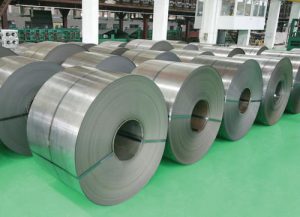
Steel coils are used across many industries because they can be processed into sheets, panels, tubes, profiles, components, and other fabricated products.
Common applications include:
- Construction materials
- Roofing and wall panels
- Automotive components
- Home appliances
- Industrial machinery
- Metal furniture
- Electrical equipment
- Storage systems
- Pipes and tubes
- General metal fabrication
The appropriate steel coil type depends on the manufacturing process and performance requirements of the finished product.
Quality Standards for Steel Coils
Quality is one of the most important factors when selecting a steel coil supplier in Vietnam.
International buyers should discuss applicable standards before confirming an order. Depending on the destination market and product type, specifications may reference standards such as ASTM, EN, JIS, or other internationally recognized standards.
Buyers should verify:
- Steel grade
- Chemical composition
- Mechanical properties
- Thickness tolerance
- Width tolerance
- Surface condition
- Coating requirements
- Coil dimensions
- Packaging requirements
- Inspection and testing documentation
A reliable supplier should be able to provide relevant technical documentation and quality records for the supplied material.
How to Choose a Steel Coil Supplier in Vietnam
Selecting a suitable supplier requires more than simply comparing prices.
Check Product Specifications
Make sure the supplier can provide the required steel grade, dimensions, coating, surface finish, and tolerances.
Request Quality Documentation
Ask for relevant inspection reports, certificates, test results, and product specifications before shipment when applicable.
Confirm Production Capacity
For large or recurring orders, production capacity and lead time are important factors. Buyers should confirm whether the supplier can consistently meet the required volume.
Discuss Packaging
Steel coils are heavy industrial products and require appropriate packaging and handling. Buyers should discuss packaging methods based on transportation and destination requirements.
Evaluate Export Experience
A supplier experienced in international trade may be familiar with export documentation, shipping arrangements, customs procedures, and international buyer requirements.
Steel Coil Export Process from Vietnam
The export process may vary depending on the supplier, destination country, product specifications, and shipping terms. However, a typical process includes several steps.
Step 1: Send an Inquiry
The buyer provides information such as:
- Product type
- Steel grade
- Thickness
- Width
- Quantity
- Coating requirements
- Destination port
- Packaging requirements
- Preferred Incoterm
The supplier then reviews the requirements and prepares a quotation.
Step 2: Confirm Specifications and Price
Both parties confirm product specifications, quantity, price, payment terms, production schedule, and other commercial conditions.
A clear purchase contract helps reduce misunderstandings during production and shipment.
Step 3: Production and Quality Inspection
After order confirmation, the steel coils are produced or processed according to the agreed specifications.
Quality inspection may be conducted according to the requirements specified in the purchase contract.
Step 4: Packaging and Loading
The finished coils are packaged and prepared for transportation. Proper loading is important because steel coils are heavy and require suitable lifting and securing procedures.
Step 5: Export Documentation
Typical export documentation may include commercial invoices, packing lists, bills of lading, certificates of origin, and relevant quality or inspection documents, depending on the transaction.
Step 6: Shipment
The steel coils are transported from the supplier’s facility to the port and loaded for international shipment.
Shipping terms such as FOB, CFR, or CIF should be clearly agreed upon before the order is finalized.
What International Buyers Should Ask a Supplier
Before purchasing from a steel coil supplier Vietnam, buyers can ask the following questions:
- What steel grades are available?
- What thickness and width ranges can you supply?
- What international standards can the products meet?
- What coating options are available?
- What is the minimum order quantity?
- What is the production lead time?
- Can you provide quality certificates and inspection documents?
- What packaging methods are available?
- Which Incoterms do you offer?
- Can you arrange shipment to the buyer’s destination port?
Clear communication at the beginning of the transaction can help both parties establish accurate specifications and expectations.
Finding a suitable steel coil supplier in Vietnam requires careful evaluation of specifications, quality, production capability, documentation, packaging, and export experience.
Vietnam offers international buyers access to a growing steel supply chain and a wide range of steel coil products for construction, manufacturing, automotive, machinery, and other industrial applications.
Before placing an order, buyers should provide detailed product requirements and verify quality standards, technical documentation, delivery schedules, and shipping terms. A well-defined purchasing process can help create a smoother and more reliable international steel sourcing experience.
For businesses looking to source steel coils from Vietnam, working with an experienced supplier and clearly communicating technical and commercial requirements is an important step toward successful long-term cooperation.
We are looking for importers, distributors, steel service centers and manufacturers worldwide.
📩 Contact us for Steel specifications, quotation and mill availability.
HENRY DO | International Sales Representative
Mobile +84 973 765 730(Whatsapp, Viber, Line, Wechat)
Steel Coil Supplier Vietnam, Steel Coil Manufacturers in Vietnam, Vietnam Steel Coil Supplier, Steel Coil Exporter Vietnam, Steel Coil Manufacturer Vietnam, Steel Coil Wholesale Vietnam, Steel Coil Export Vietnam, Vietnam Steel Supplier.