
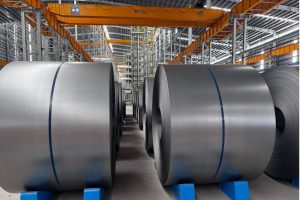
Galvanized Steel Suppliers: What Buyers Should Know Before Importing







Galvanized Steel Suppliers: What Buyers Should Know Before Importing
Choosing reliable galvanized steel suppliers is an important decision for importers, distributors, manufacturers, and construction companies. Galvanized steel is widely used because of its corrosion resistance, durability, and versatility. However, product quality, coating thickness, steel grade, dimensions, packaging, and export documentation can vary between suppliers.
For buyers planning to import galvanized steel, understanding the key factors before placing an order can help reduce quality risks, unexpected costs, and delivery problems.
What Is Galvanized Steel?
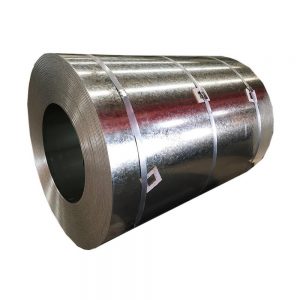
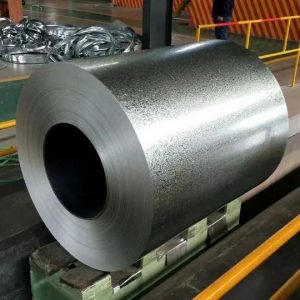
Galvanized steel is steel coated with a layer of zinc to help protect the underlying metal from corrosion. The zinc coating acts as a protective barrier and can also provide additional protection when the steel surface is exposed to moisture or environmental conditions.
One of the most common production methods is hot-dip galvanizing, in which steel is immersed in molten zinc. Another method is electro-galvanizing, which applies zinc through an electrochemical process.
Galvanized steel can be supplied in different forms, including:
- Galvanized steel coils
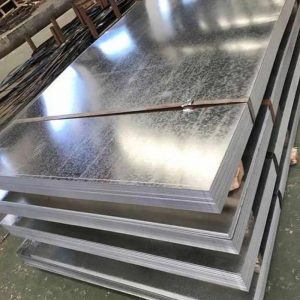
- Galvanized steel sheets
- Galvanized steel strips
- Galvanized steel pipes and tubes
- Galvanized structural components
The appropriate product depends on the buyer’s intended application, required dimensions, and technical specifications.
Why Is Galvanized Steel Widely Used?
Galvanized steel is commonly selected for applications where protection against corrosion is important.
Typical applications include:
- Construction and building materials
- Roofing and wall systems
- Steel structures
- Automotive components
- Agricultural equipment
- Electrical cabinets and enclosures
- HVAC systems
- Fencing and wire products
- Manufacturing and industrial equipment
Its combination of steel strength and zinc protection makes galvanized steel suitable for both indoor and outdoor applications.
What Should Buyers Check When Choosing Galvanized Steel Suppliers?
Not all galvanized steel products are identical. Before importing, buyers should carefully review several important factors.
1. Steel Grade
The steel grade affects the product’s mechanical properties and suitability for different applications.
Depending on the intended use, buyers may require specific standards or grades such as ASTM, EN, JIS, or other applicable specifications.
Before ordering, clearly communicate:
- Steel grade
- Applicable standard
- Mechanical requirements
- Chemical composition requirements
- Intended application
A professional supplier should be able to provide technical specifications and relevant documentation.
2. Zinc Coating Thickness
The zinc coating is one of the most important characteristics of galvanized steel.
A thicker zinc coating can provide greater protection against corrosion, but the appropriate coating depends on the application and specification.
Buyers should confirm the required zinc coating weight or thickness before placing an order. Depending on the product and standard, specifications may be expressed using terms such as Z60, Z80, Z120, Z180, or other coating designations.
Do not compare suppliers based only on the steel price. Two products with similar dimensions may have different zinc coating specifications and therefore different costs and performance characteristics.
3. Steel Thickness and Dimensions
Buyers should provide accurate dimensional requirements, including:
- Thickness
- Width
- Length
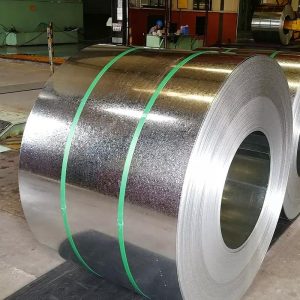
- Coil weight
- Inner and outer diameter for coils
- Tolerance requirements
For large-volume orders, even a small dimensional difference can affect production processes and overall costs.
It is therefore important to confirm the product specification before production begins.
4. Surface Quality
Surface appearance can be important depending on the final application.
Buyers should discuss requirements concerning:
- Surface finish
- Zinc coating uniformity
- Surface defects
- Spangle appearance
- Edge condition
- Flatness
For applications involving painting, forming, stamping, or further processing, surface quality can have a significant impact on the final product.
Certifications and Quality Documents
Before importing galvanized steel, buyers should ask suppliers about available quality documentation.
Depending on the market and product requirements, documents may include:
- Mill Test Certificate (MTC)
- Certificate of Origin (CO)
- Certificate of Quality
- Packing List
- Commercial Invoice
- Inspection reports
- Product test reports
Buyers should also confirm whether the supplier can meet the technical standards required in the destination country.
Production Capacity and Quality Control
A reliable galvanized steel supplier should have a clear production and quality-control process.
Important questions to ask include:
- What is the monthly production capacity?
- Where is the steel manufactured?
- What quality standards are followed?
- How is zinc coating measured?
- Are products inspected before shipment?
- Can the supplier provide samples?
- What packaging is used for export?
For regular or large-volume imports, visiting the production facility or arranging an independent inspection can provide additional assurance.
Packaging and Shipping
Galvanized steel is often transported over long distances, so proper packaging is essential.
Depending on the product, export packaging may include waterproof materials, steel strapping, protective sheets, pallets, or other suitable methods.
Buyers should discuss packaging requirements with the supplier before shipment. Incorrect packaging can increase the risk of scratches, deformation, moisture exposure, or other damage during transportation.
Shipping terms should also be clearly agreed upon, such as FOB, CIF, CFR, or EXW, depending on the transaction.
Price Is Not the Only Factor
Price is naturally important when importing steel, but the lowest quotation does not always represent the lowest overall cost.
Buyers should compare suppliers based on the complete specification, including:
- Steel grade
- Zinc coating
- Dimensions
- Surface quality
- Quantity
- Packaging
- Certifications
- Lead time
- Shipping terms
- Payment terms
A supplier offering a lower price but a different coating specification or material grade may not provide the same value.
How to Request a Galvanized Steel Quotation
To receive an accurate quotation, buyers should provide as much information as possible.
A typical inquiry should include:
Product: Galvanized Steel Coil/Sheet
Steel Grade: [Required grade]
Standard: [ASTM/EN/JIS/etc.]
Thickness: [Required thickness]
Width: [Required width]
Zinc Coating: [Required coating]
Quantity: [Required quantity]
Packaging: Export standard
Destination Port: [Port name]
Incoterm: [FOB/CIF/CFR/etc.]
Providing complete specifications allows galvanized steel suppliers to prepare more accurate quotations and helps buyers compare different offers fairly.
Why Choose Vietnam Galvanized Steel Suppliers?
Vietnam has developed a growing steel manufacturing and processing industry, supplying steel products to domestic and international markets.
For international buyers, sourcing from Vietnam can provide access to a wide range of steel products and export-oriented suppliers. However, buyers should still evaluate each supplier based on product specifications, quality control, production capability, certifications, and export experience.
When selecting a Vietnam galvanized steel supplier, buyers should verify the company’s business information, production capabilities, product standards, and previous export experience.
Finding the right galvanized steel suppliers requires more than comparing prices. Buyers should evaluate steel grade, zinc coating, dimensions, surface quality, certifications, production capacity, packaging, and shipping conditions before placing an order.
A clear product specification and professional communication between buyer and supplier can help prevent misunderstandings and ensure that the galvanized steel meets the required standards.
Whether you are purchasing galvanized steel coils, sheets, pipes, or other galvanized products, working with an experienced export supplier can make the importing process more efficient and transparent.
Looking for galvanized steel suppliers in Vietnam? Contact us to discuss your product specifications, bulk requirements, and export needs.
HENRY DO | International Sales Representative
Mobile +84 973 765 730(Whatsapp, Viber, Line, Wechat)